May 19, 2025 · 5 min read
Two Studies, Opposite Answers, and the Week It Took Me to Figure Out Why
I thought they contradicted each other. I had just been reading them wrong.

I read two studies on the same copper peptide that reached opposite conclusions, and it took me a week to figure out why. The answer was buried in the part I had been skipping.
One study looked at collagen in one kind of lab setup. The other used a different setup on a different timeline. They were not fighting each other. They were answering different questions, and I had been reading both conclusions as if they were answers to the same one.
That week changed how I read everything. The methods section tells you what was actually measured and in what system. Without it, a conclusion is just a sentence somebody wrote.
The research itself is about a small protein that grabs copper and what it does to collagen, the stuff that holds skin and tissue together. Which setup was used matters enormously for what you are allowed to conclude.
Now I read the methods first. It is slower. It is also the only way I have found to actually understand what a study shows.
Small print: everything above describes laboratory research, not medical advice. These compounds are supplied strictly for research use and are not for human consumption, diagnosis, or treatment.
The subject of this study
GHK-Cu 80mg
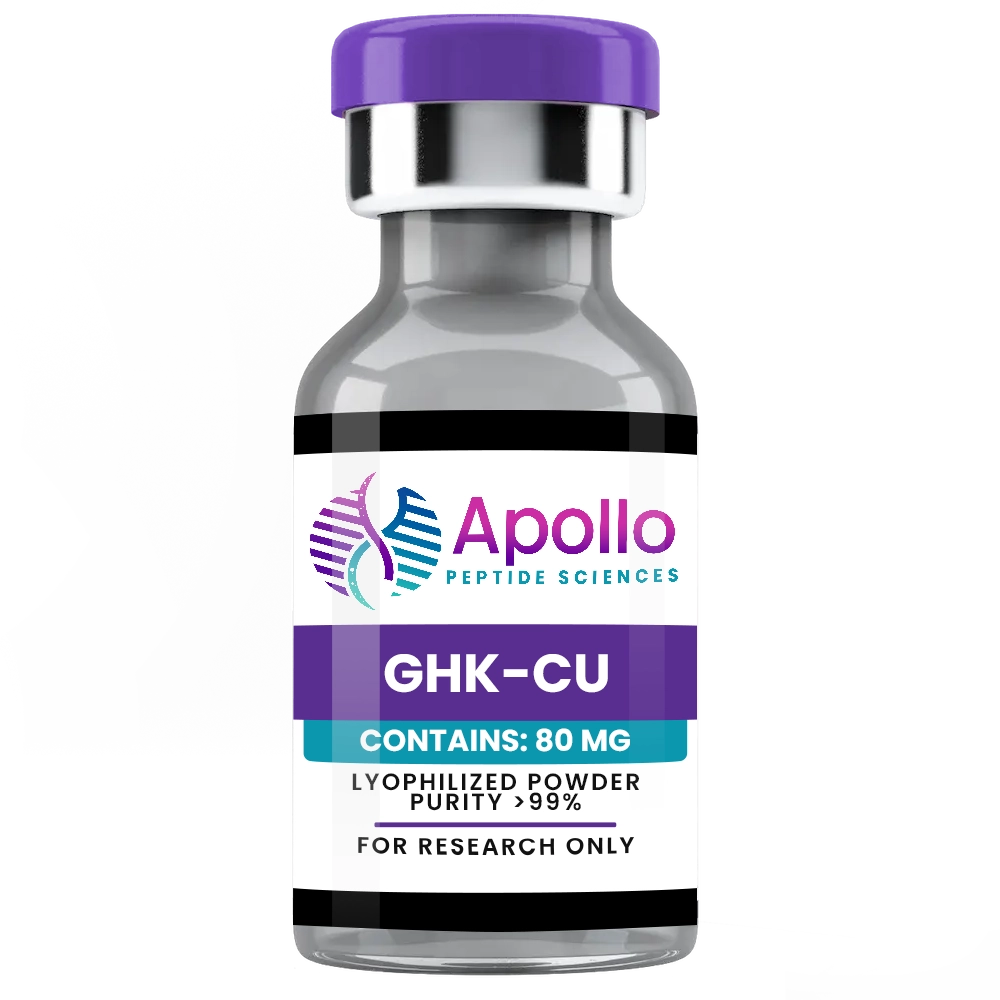
A higher-quantity copper tripeptide format for extended dermatological and tissue remodeling research.
- · Greater quantity for extended skin research
- · Investigated for collagen synthesis pathways
- · Researched in tissue repair and remodeling models
Heads up: we may earn a commission when you order through our partner laboratory links, at no extra cost to you. It is what keeps our research writing free.